
From the Bookshelves: Daniel Kunstler, Passaic: The True Story of One Man’s Journey through American Immigration, Detention and Deportation
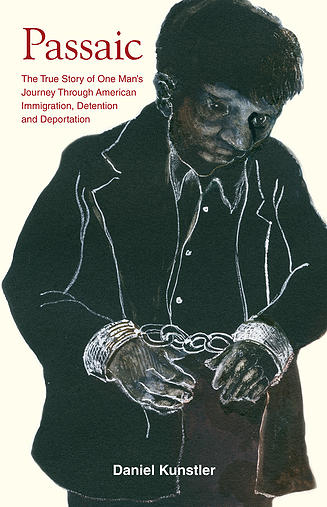
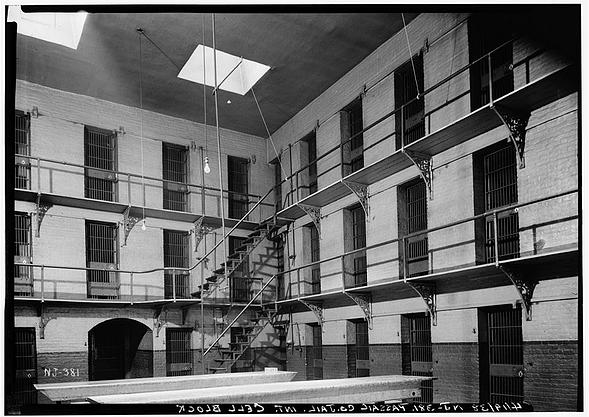
The plight of Hemnauth Mohabir, a Guyanese immigrant caught in the clutches of the U.S. deportation system, is an exemplary instance of the hardship inflicted upon many thousands by our laws and misuse of our prison apparatus. The chronicle of Hemnauth’s immigrant experience dominates Passaic: The True Story of One Man’s Journey through American Immigration, Detention and Deportation. We follow him from his roots as the descendant of Indians indentured to the international sugar trade through emigration to the U.S., a felony trial and a rare acquittal tainted only by a petty misdemeanor conviction. Years later, he is arrested upon re-entering the U.S. and fed into the grinding machinery of immigration enforcement. Hemnauth’s old misdemeanor has tagged him an illegal immigrant. He endures gulag conditions at the Passaic County (N.J.) Jail, which is contracted to house immigrants under deportation order. The prison fosters a climate of violence toward and among the men in its custody. It breeds utter hopelessness.
Throughout, Hemnauth wages a quixotic struggle against exile and separation from his American child, and another to preserve his humanity in the face of a deliberate campaign to strip him of it. He fails at the first struggle, but succeeds at the second through his valor and spiritual vitality. Entwined with the narrative is the account of how the darker side of our national ambivalence toward immigrants has created a pattern of social control cloaked in the rule of law.
The author, Daniel Kunstler, first heard of Hemnauth’s ordeal from a news item on National Public Radio. He extended the story to encompass its full biographical, judicial and historical context. His resonance with issues of immigration dates from personal experience resettling refugees expelled from South America in the late 1970s. In addition, his years as a research professional equipped him to undertake a project of independent scholarship.
Passaic is thoroughly documented, using published and primary sources, including many exchanges with national experts in immigration law and policy. Writing Passaic led Kunstler up a steep path of discovery, which he can now share with a public immersed in the immigration debate with renewed interest since the most recent general election and its impact on political calculus. Passaic’s originality resides in its focused view of U.S. immigration practices captured through the lens of a single case, a complement to the survey work of others. It arrives at a time when the general impetus for comprehensive immigration reform has begun to yield to a discussion of its particulars.
Passaic does more than expose a human rights failure. It awakens the reader to the reality of a system that has exempted the government from its duty to uphold the rights of all who reside on our soil. It thrusts us before a mirror, and shows us that we might not be quite who we think we are.
KJ