
Changing Barriers, Changing Times
Guest post by Alexandria Von Mohr, a rising 3L at the University of Nevada, Las Vegas, William S. Boyd School of Law.
In one short drive you see can many changes in scenery. On the left you’ll spot an area of colorful slums inhabited by squatters who don’t have access to any city services. Go a little further down and you’ll pass a bustling mall featuring Coach, Michael Kors, and J. Crew. Then just a short drive more and you’ll come across an affluent neighborhood situated right by the beach, home to Santana and other stars. These varying sights are visible in a short journey alongside just a portion of the 60-mile long San Diego Border Patrol Sector of the U.S.-Mexico border.
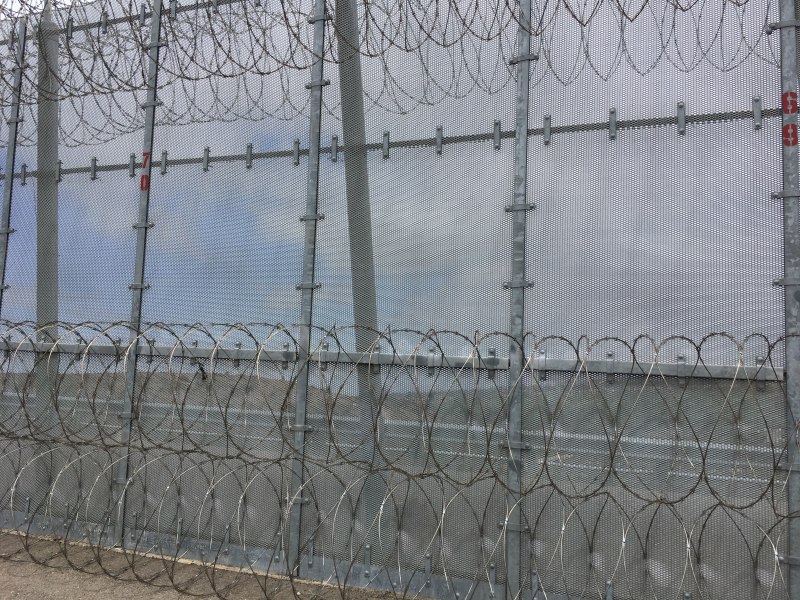
Just as the sights of the Mexican side of the border change drastically within only a matter of miles, so too do the barriers that separate it from San Diego. There’s a double-barriered area that features a wall made from materials originating from the Vietnam War and a fence made from metal mesh and barbed wire. At some points along the border, the wall simply stops, and there’s no physical barrier on the border between the two countries. Then the barriers return, this time with a metal structure that extends unforgivingly 16 feet into the air and four to six feet into the ground.
But there’s a change on the border that isn’t so easy for the uninformed naked eye to see. This change is in the number of apprehended unauthorized migrants in San Diego, which reached a high of more than 250,000 in 1976 and dropped to just around 25,000 in 2015. The site of the Las Americas mall is illustrative of this transformation. That site has gone from being a dangerous area where there was often 1,000 arrests a night to being the home of a mall with high-end fashion brands that has been so successful it has had multiple multi-million dollar expansions.
Only time will tell what changes are in store for the current barriers along the border and the patterns of migration into the U.S.
-posted by KitJ on behalf of Alexandria Von More