
Filipino Nurses Dreading COVID, The Latinos of Asia by Anthony Ocampo
Sociologist Anthony Ocampo’s book, The Latinos of Asia: How Filipino Americans Break the Rules of Race, provides a “groundbreaking” new perspective on racial identity and the definitive account of the contemporary Filipino American experience.
“Groundbreaking” is the adjective chosen by numerous reviewers, including sociologist Min Zhou of UCLA and Asian American studies professor Robyn Rodriguez of UC Davis. “Unexpected findings” is what Moon-Kie Jung says.
In a 2016 interview with NPR Codeswitch, Professor Ocampo describes the bond between Filipino Americans and Latinos as originating in the Spanish colonialization of the Phillipines. The resulting influences of the Catholic church, religious rites of passages like first communion, and Spanish language words (mesa, tenedor, cuchara for table, fork, and spoon) create shared experiences with Latinos in America.
The settlement experience also differs from Asian immigrants, despite the Phillipines being located in Southeast Asia, because American colonizers followed on Spanish colonizers in bringing their influence to the Phillipines before the Filipino diaspora made the journey to the U.S. As a result, English language and American mainstream institutions were familiar to Filipinos and lessened the need to forge ethnic enclaves or an otherwise distinct racial identity in the U.S.
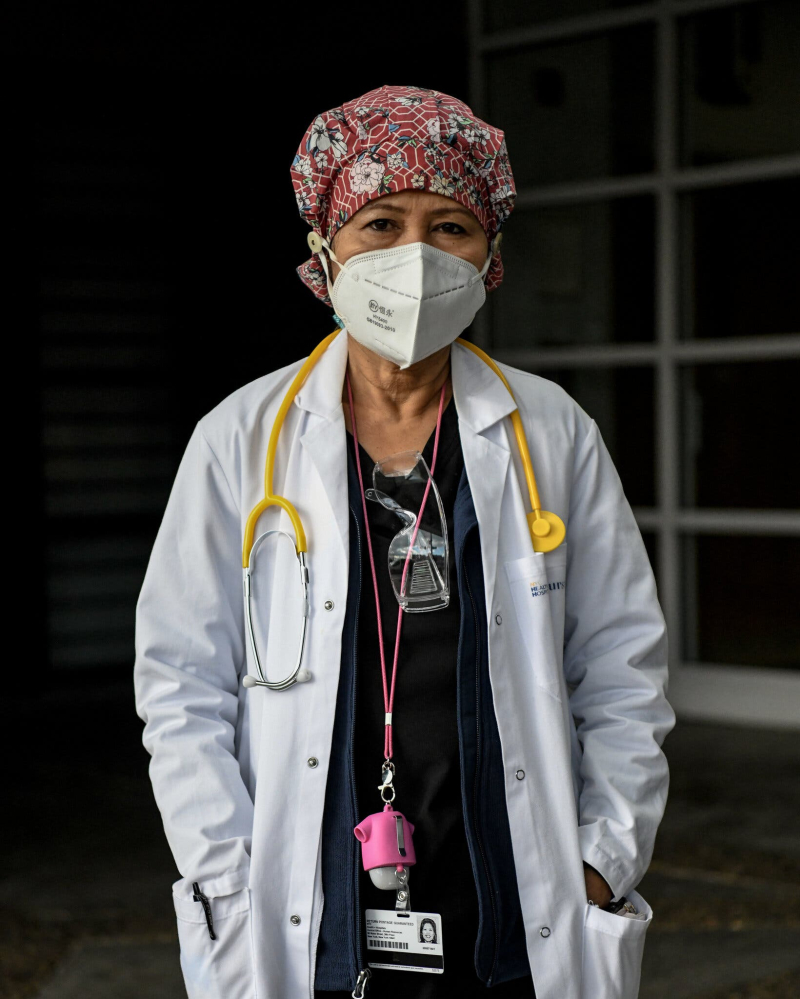
Though the book was first released in 2016, the author spoke about it in a recent podcast on “Asian Enough” hosted by Susauna Hussain and Joana Bhuiyan and the LA Times and streaming on Apple podcast, Spotify, and others. (The first season included Vice President Kamala Harris.) He related its themes to the important role played by Filipino nurses during coronavirus, despite their underrepresentation in the media’s coverage of the health care crisis and on medical TV shows.
MHC