
AS EUROPE WELCOMES UKRAINIAN REFUGEES, IT LEAVES OTHER MIGRANTS CAUGHT “BETWEEN TWO DEATHS”
I have been encouraged by the European Union’s generous acceptance of Ukrainian refugees in the early days of the Russian invasion. But, as has been blogged here, the EU has not been as generous with other cohorts of refugees.
Max Granger for the Intercept writes pointedly about the disparate treatment of refugees in Europe:
“The EU’s commendable displays of sympathy and hospitality toward Ukraine’s mostly white, mostly Christian refugees stand in violent contrast to its policies of deterrence, detention, and state-sanctioned death targeting African and Middle Eastern asylum-seekers by the millions. . . . .
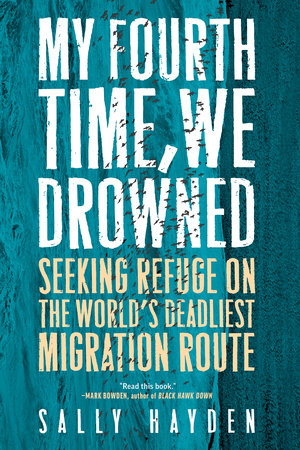
There is perhaps no better testament to the racist double standard at the core of European border policy than the accounts of refugees and migrants collected in a new book by journalist Sally Hayden, `My Fourth Time, We Drowned: Seeking Refuge on the World’s Deadliest Migration Route.’ In 2018, Hayden, who covers migration, conflict, and humanitarian crises and is the Africa correspondent for the Irish Times, began receiving messages online from refugees held in detention centers in Libya. The people messaging her, she soon discovered, had found themselves stuck in an endless back-and-forth between detention on land and interception at sea — a deadly game of snakes and ladders in which, as anti-border scholar and organizer Harsha Walia describes it, there are `few ladders and many snakes.’ They were trapped, as one Kurdish migrant described his situation to the BBC, `between two deaths.’”
Here is the publisher’s descript on the book:
“Reporter Sally Hayden was at home in London when she received a message on Facebook: `Hi sister Sally, we need your help.’ The sender identified himself as an Eritrean refugee who had been held in a Libyan detention center for months, locked in one big hall with hundreds of others. Now, the city around them was crumbling in a scrimmage between warring factions, and they remained stuck, defenseless, with only one remaining hope: contacting her. Hayden had inadvertently stumbled onto a human rights disaster of epic proportions.
From this single message begins a staggering account of the migrant crisis across North Africa, in a groundbreaking work of investigative journalism. With unprecedented access to people currently inside Libyan detention centers, Hayden’s book is based on interviews with hundreds of refugees and migrants who tried to reach Europe and found themselves stuck in Libya once the EU started funding interceptions in 2017.
It is an intimate portrait of life for these detainees, as well as a condemnation of NGOs and the United Nations, whose abdication of international standards will echo throughout history. But most importantly, My Fourth Time, We Drowned shines a light on the resilience of humans: how refugees and migrants locked up for years fall in love, support each other through the hardest times, and carry out small acts of resistance in order to survive in a system that wants them to be silent and disappear.
Hat tip to law student Corina Yetter.
KJ