
The Supreme Court and Immigration in the 2022 Term
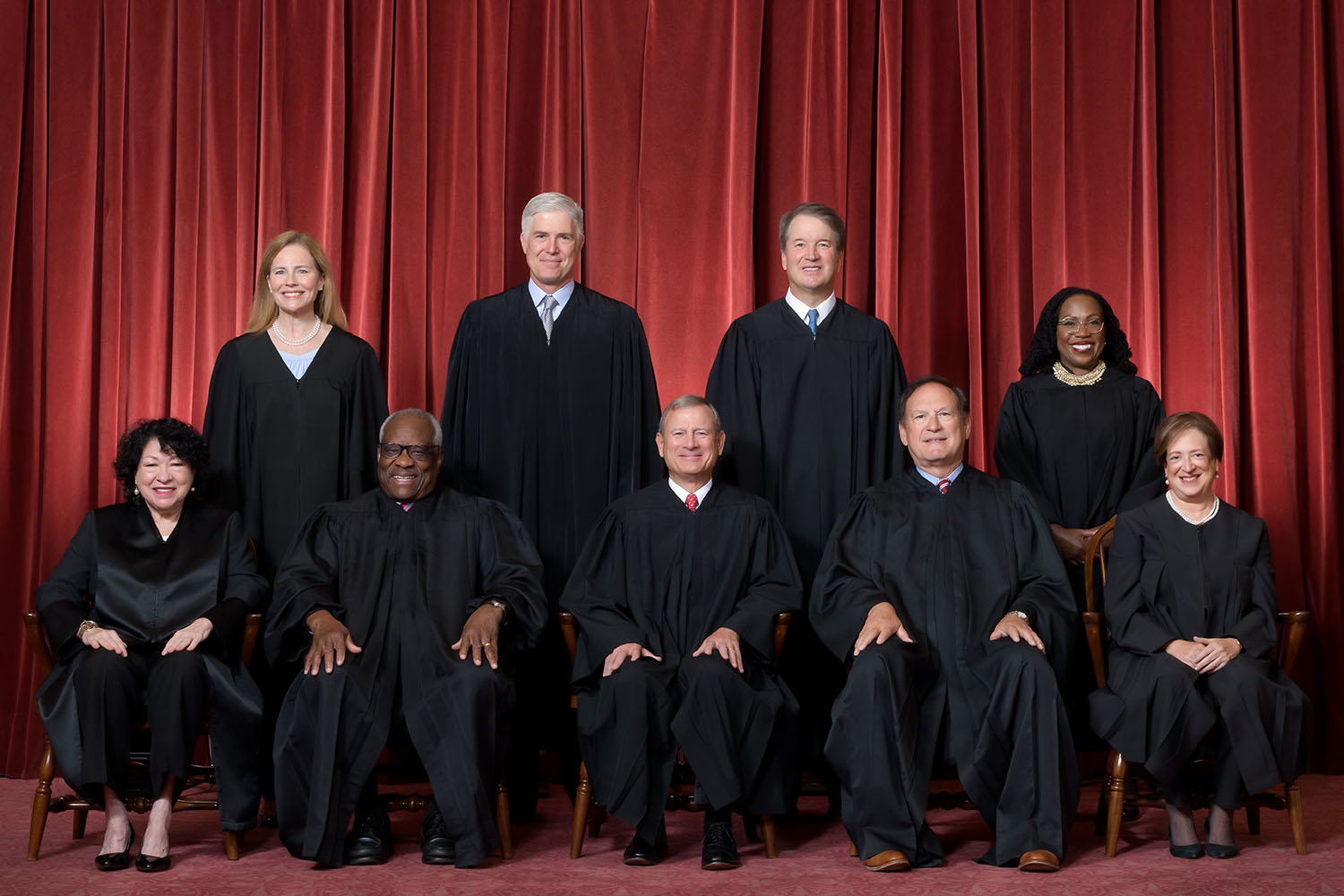
The 2022 Term of the Supreme Court ended in June. Now that the smoke has cleared, it seems appropriate to reflect on the immigration decisions from the Term.
I summarized the Court’s immigration decisions from the 2022 Term here. There were no blockbusters among the four decisions. The cases involved criminal removal, exhaustion of remedies, standing to challenge the Executive Branch’s immigration enforcement priorities, and a First Amendment challenge to a criminal statute involving facilitating the violation of the immigration laws. The decisions appeared similar to the immigration matters that regularly have come before the Court in recent years. They apply the immigration statute, follow standard administrative law doctrines, and generally do not break new ground.
One recent decision that immigration professors have focused on is the Court’s decision (Department of Homeland Security v. Thuriassgiam (2020)), which upheld the expedited removal of an asylum seeker apprehended on U.S. territory near the U.S./Mexico border. Although that decision may have long term consequences on the due process rights of immigrants in the United States, it to this point has not resulted in big doctrinal changes to immigration law.
There were no shocking surprises among the immigration decisions of the 2022 Term. However, the decision in United States v. Texas finding that Texas and Louisiana lacked standing to challenge the Biden administration’s immigration enforcement priorities, made the news. Much attention also was given to Arizona v. Mayorkas, a challenge to the Title 42 order originally issued by President Trump that closed the border to migrants ostensibly to reduce the spread of COVID. After a flurry of activity and the Biden administration’s lifting of the order, the Court dismissed the appeal. In short, the Court resolved the most significant immigration cases in ways that likely will not have much impact on future immigration cases.
It seems that the Supreme Court’s immigration jurisprudence has not changed much in the last twenty years or so. As I set forth in an article reviewing the Supreme Court’s immigration decisions nearly a decade ago,
“What is perhaps most noteworthy from the review of immigration decisions of the Supreme Court . . . is that a conservative Court characterized as ideologically driven by some observers consistently has not taken an extreme approach to immigration law and its enforcement. The Roberts Court’s body of immigration decisions indeed is firmly and comfortably within the jurisprudential mainstream of its decisions in other areas of substantive law. The Court has applied ordinary, standard, and routine legal doctrines for the most part in ordinary, standard, and routine ways.”
KJ