
Immigrants in Alaska
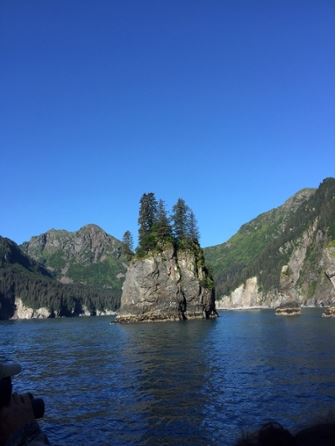
Spire Cove, Resurrection Bay, near Seward, Alaska

I recently had the opportunity to visit with UC Davis School of Law alumni in Alaska. During the trip, I wondered what the immigrant population was like in the state. In “Immigrants in Alaska—Authorized and Unauthorized,” Antonia Moras in the Alaska Justice Forum (Summer 2011-Fall 2011) offers some basics. Here is a synopsis:
The immigration of most foreign-born residents of Alaska has occurred legally under established laws and regulations. However, the picture of immigration in Alaska—both authorized and unauthorized—differs in some details from the rest of the country as a whole. According to census figures based on an average over the 5-year period of 2005–2009, immigrants from Asian countries formed a greater proportion of the foreign-born population than they did in the U.S. overall. Over one-half of immigrants to Alaska came from Asia. In the country as whole, immigrants from the Americas constitute over 55 percent of the foreign-born, with Mexico being by far the most common country of origin.
In March 2010 there were 11.2 million unauthorized immigrants in the United States. In Alaska, there were fewer than 10,000—possibly substantially fewer. It is estimated that the number was less than 1 percent of the state’s population.
It is estimated that, in March 2010, there were approximately eight million unauthorized immigrants in the nation’s workforce—5.2 percent of the total labor force. In some states this percentage was much higher. In California, for instance, unauthorized immigrants may have been as much as 10 percent of the work force; in Texas, 9 percent. In Alaska the number was much lower; unauthorized immigrants are estimated to be only 1.5 percent of the total Alaska workforce of approximately 358,000 people.


The Migration Policy Institute has more detailed Alaska demographic information here.
KJ