
Urban Instititute: Announcing the Program on Immigrants and Immigration
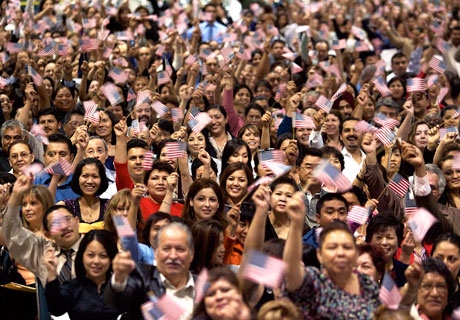
Urban’s new initiative on immigration and immigrants draws on the expertise of researchers from across the institute to contribute to key policy debates.
Immigrants and their families make up an integral and growing segment of the US population. In 1990, immigrants accounted for 7.9 percent of the population; by 2015, that share had risen to 13.7 percent.
The geographic reach of immigrants has also increased. Traditionally, immigrants were concentrated in cities such as New York, Chicago, or Los Angeles, but in recent years, many have settled in nontraditional immigrant destinations.
These demographic changes raise important questions for immigrants, their children, and the communities that support them. Communities must consider how to leverage immigrant talent, educate the children of immigrants, meet diverse language needs, and connect immigrants to service providers.
At the federal level, policymakers must decide who can come into the country, the rights afforded to those who enter, and what targeted assistance to provide immigrants and refugees as they settle and integrate.
How immigrant populations grow, evolve, and integrate has fundamental importance for their communities and the country.
The Urban Institute’s research on immigrants and immigration spans four interconnected domains: the demographics of immigration, the well-being of immigrant families, the immigrant workforce, and federal, state, and local immigration and integration policy.
We explore these domains by
- understanding the quickly changing demographics of immigration and providing tools to allow practitioners and policymakers to find hard-to-access data relevant to their work;
- studying how to connect low-income immigrant families to vital supports such as human services programs and nonprofit providers, and investigating how to make those systems work better for immigrant families, particularly those with language barriers or undocumented status; and
- analyzing the impact of local, state, and federal policy on the well-being of communities, immigrant families, and workers.