Demetrios Papademetriou and Susan Fratzke Analyze Refugee Summits
|
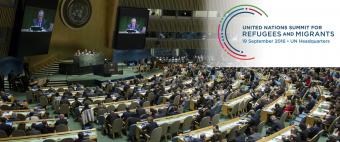
World leaders convened in New York last week for a pair of summits focused on multilateral responses to the growing challenge of refugee crises and unmanaged migration flows. Even before the summits convened by the United Nations and a day later by the Obama administration were concluded, assessments of their outcomes were underway. In a new commentary, Migration Policy Institute (MPI) President Emeritus Demetrios Papademetriou and Policy Analyst Susan Fratzke weigh the results. “While score cards for these types of events are difficult to keep, it is clear that the summits offered reasons for both disappointment and hope,” they write. On the plus side of the ledger, the two summits offered evidence of the high priority being placed on these issues by national leaders. The meetings also may have set the stage for the next, and possibly more substantive, conversation initiated when UN Member States agreed to forge a pair of compacts on better management of migration flows and coordination of equitable responses to refugee crises by 2018. The U.S.-led summit and an affiliated CEO roundtable also produced results, with more than $1.1 billion in pledged assistance and investments directed at refugees and migrants, and commitments to double refugee places. On the downside, the authors note that the commitments—including on responsibility sharing—fell short of the concrete outcomes that architects of the UN summit and advocates had envisioned, and that it remains to be seen whether the $4.5 billion in pledged government financial commitments to humanitarian agencies represents new money or a repackaging of older promises. What does seem clear, they write, is that there will be a tug of war between the multilateralism on parade at the summits and the national sovereignty inherent in the ways in which governments view issues of migration and international protection. I invite you to read this thought-provoking commentary. . |