
The Forgotten Shipwreck on the Mediterranean
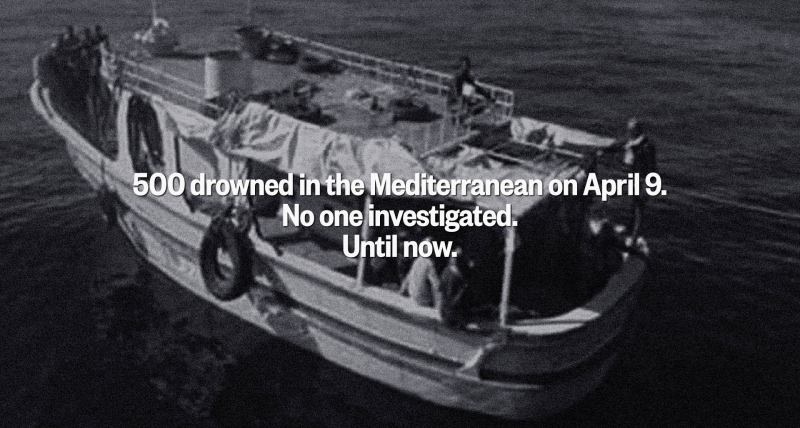
Reuters reports on a “forgotten shipwreck” on the high seas. At around 2 a.m. on Saturday, April 9, 2016, a large blue fishing boat carrying hundreds of African migrants and their children capsized just off the coast of Egypt. Some drowned quickly. Others thrashed in the water, yelling for help in Arabic, Somali or Afan Oromo. The few with lifejackets blew whistles that pierced through the shrieks.
A solitary electric torch probed the moonless darkness. It came from a smaller boat that was circling, tantalizingly close. The men on that boat, the people-smugglers who had brought their human cargo to this point, were searching only for their comrades. They ignored the screams of the migrants and beat some back into the water.
Just 10 migrants managed to scramble up into the smaller boat to join the smugglers and 27 other migrants already aboard.
Around 500 adults and children died on the voyage, according to survivor and official estimates, the largest loss of life in the Mediterranean in 2016. Among the dead were an estimated 190 Somalis, around 150 Ethiopians, 80 Egyptians, and some 85 people from Sudan, Syria and other countries. Thirty-seven migrants survived.
Awale Sandhool, a 23-year-old who worked at a radio station in Mogadishu and had fled death threats at home, was among the few who swam to safety. Amid the chaos of the sinking, he said, his childhood friend Bilal Milyare had shouted to him from the water before drowning: “Could we not have been saved?” Until now, no one has tried to answer that question.
A Reuters investigation in collaboration with BBC Newsnight has found that in the seven months since the mass drowning, no official body, national or multinational, has held anyone to account for the deaths or even opened an inquiry into the shipwreck.
KJ