
Unauthorized Immigrants in the United States: Stable Numbers, Changing Origins
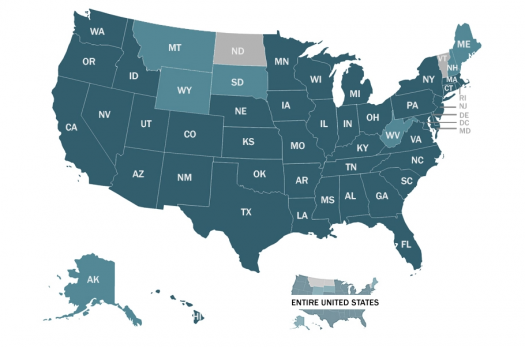
While the number of unauthorized immigrants in the United States has been largely stable over the past decade, there have been notable changes in the composition of the population, which has seen a sizeable drop in Mexicans alongside increased arrivals from other world regions, especially Asia and Central America.
The number of unauthorized immigrants from Mexico fell from 7.6 million in 2007, right before the onset of the Great Recession, to 5.5 million in 2018, a new Migration Policy Institute (MPI) fact sheet finds. During the same period, the unauthorized population from Asia rose from 866,000 to 1.5 million, and the Central American one from 1.5 million to 1.8 million.
Overall, MPI researchers found that the unauthorized population stood at 11 million in 2018, down from its 12.3 million peak in 2007 but up slightly from its post-recession low of 10.5 million in 2017. Unauthorized immigrants made up 23 percent of the overall immigrant population in the United States in 2018 — down from 30 percent right before the onset of the 2008 recession.
Here is the Table of Contents to the MPI fact sheet:
1 Introduction
2 Recent Trends in the Unauthorized Immigrant Population
3 National Origins of Unauthorized Immigrants
4 Unauthorized and Other Immigrants in the United States
5 Legal Status of Unauthorized Immigrants’ Family Members
6 Top U.S. States and Counties for Unauthorized Immigrants
7 Socioeconomic Characteristics of Unauthorized Immigrants
8 Conclusion
KJ