
Supreme Court Rejects State Challenges to Biden Immigration Enforcement Priorities
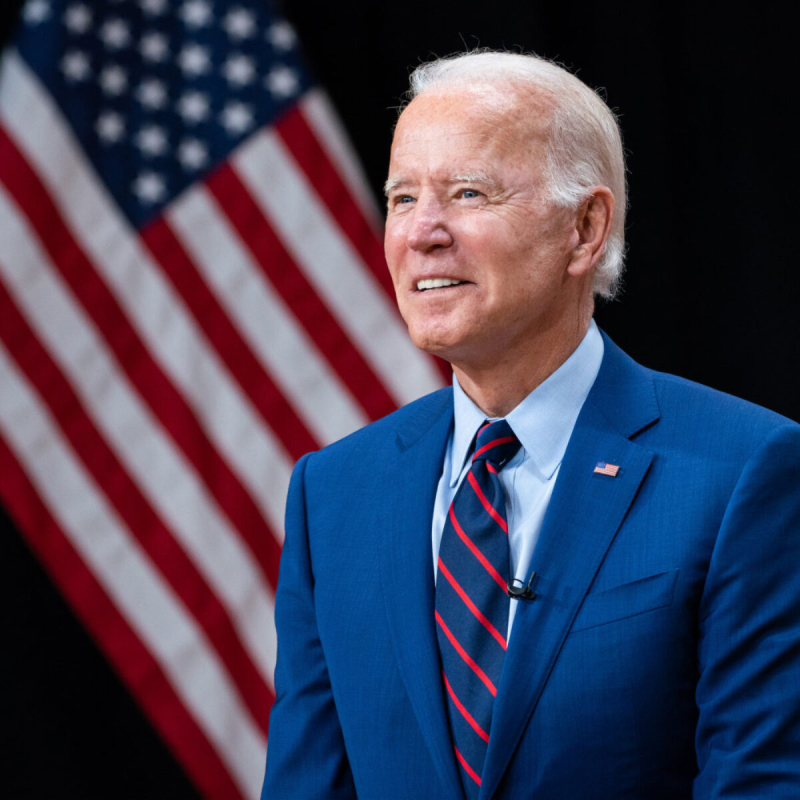
Official White House Photo
On Friday, the Supreme Court, in an opinion by Justice Brett Kavanaugh decided United States v. Texas, a case brought by Texas and Louisiana challenging the Biden administration’s immigration enforcement priorities, namely its more targeted set of removal priorities than the Trump administration’s “zero tolerance” approach. The Court held that the states lacked Article III standing to challenge the priorities. Justice Alito was the lone dissenter.
Justice Kavanaugh delivered the opinion of the Court, in which Chief Justice Roberts and Justices Sotomayor, Kagan, and Jackson joined. Justice Gorsuch filed an opinion concurring in the judgment, in which Justices Thomas and Barrett joined. Justice Barrett filed an opinion concurring in the judgment, in which Justice Gorsuch joined. Justice Alito filed a dissenting opinion.
Amy Howe on SCOTUSBlog summarized the decision as follows:
“In a major victory for the Biden administration, the Supreme Court . . . ruled that Texas and Louisiana do not have a legal right, known as standing, to challenge a Biden administration policy that prioritizes certain groups of unauthorized immigrants for arrest and deportation. The justices therefore did not weigh in on the legality of the policy itself, instead reversing a ruling by a federal district court in Texas that struck down the policy. The vote was 8-1. Justice Brett Kavanaugh wrote for a majority that included Chief Justice John Roberts and Justices Sonia Sotomayor, Elena Kagan, and Ketanji Brown Jackson. Justice Neil Gorsuch wrote an opinion in which he agreed that the states lacked standing, but for a different reason; his opinion was joined by Justices Clarence Thomas and Amy Coney Barrett (who wrote her own concurring opinion, joined by Gorsuch).
Justice Samuel Alito was the lone dissenter. He complained that the court’s decision left states `already laboring under the effects of massive illegal immigration even more helpless.’
The policy at the center of the case, United States v. Texas, was outlined in a September 2021 memorandum by Secretary of Homeland Security Alejandro Mayorkas. The memorandum explains that because the Department of Homeland Security does not have the resources to apprehend and deport all of the more than 11 million noncitizens who could be subject to deportation, immigration officials should prioritize the apprehension and deportation of three specific groups of people: suspected terrorists; noncitizens who have committed crimes; and those caught recently at the border.”
The Court went to some lengths to highlight that its holding does not affect the challenges of states to the lawfulness of the Deferred Action for Childhood Arrivals policy. As the National Immigration Project stated in a practice advisory to United States v. Texas,
“The decision may have broader implications on states’ standing to challenge federal immigration policies, but the Court repeatedly noted that its decision is limited to the context of enforcement discretion over arrests and prosecutions. The Court explained that it does not reach questions regarding standing to challenge provision of legal benefits (such as DACA) or detention of noncitizens who have already been arrested.”
Secretary of Homeland Security Alejandro N. Mayorkas released the following statement regarding the Supreme Court’s ruling in United States v. Texas:
“We applaud the Supreme Court’s ruling. DHS looks forward to reinstituting these Guidelines, which had been effectively applied by U.S. Immigration and Customs Enforcement (ICE) officers to focus limited resources and enforcement actions on those who pose a threat to our national security, public safety, and border security. The Guidelines enable DHS to most effectively accomplish its law enforcement mission with the authorities and resources provided by Congress.”
On the same day that it decided United States v. Texas, the Court decided United States v. Hansen, which Ingrid Eagley blogged about here. The two decisions were the final immigration decisions of the Term. Stay tuned for a post on the immigration decisions from the 2022 Term.
UPDATE (June 27): For analysis on “How Might U.S. v. Texas Affect DACA?” by Cyrus Mehta, click here.
KJ