
Oral Argument in Velazquez v. Garland: Tolling the Clock on Voluntary Departure
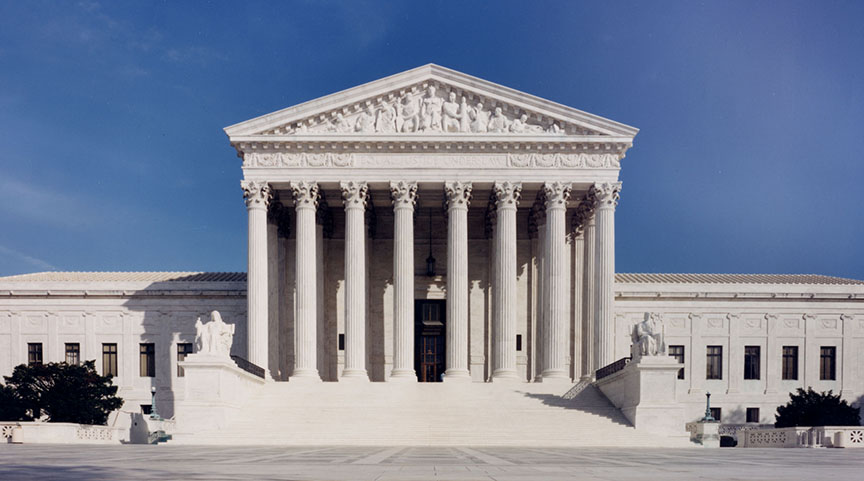
On November 12, the Supreme Court will hear oral argument in Velazquez v. Garland. In the case, the U.S. Court of Appeals for the Tenth Circuit denied review of Hugo Abisaí Monsalvo Velazquez‘s petition for review because he “failed to voluntarily depart or file an administrative motion within 60 calendar days, the maximum period provided by statute.” The issue before the Court is “[w]hether, when a noncitizen’s voluntary-departure period ends on a weekend or public holiday, a motion to reopen filed the next business day is sufficient to avoid the penalties for failure to depart under 8 U.S.C. § 1229c(d)(1).”
In a nutshell, Petitioner’s argument is as follows:
“This case presents a straightforward question of statutory interpretation: when the “60 days” described in §1229c(b)(2) ends on a weekend or holiday, does the deadline carry over to the next business day? The answer to that question is equally straightforward: it does. “
A decision on the narrow legal issue before the Court will not likely have far-reaching impacts on the administration of the U.S. immigration laws.
Update (Nov. 13): The audio and transcript of the oral argument can be found here. My take is that some of the justices, such as Justice Kavanaugh, would have liked to kick the case out on jurisdictional grounds if they can find the right hook. Both sides faced tough questioning. My guess is that the justices overall seemed to favor the Velasquez. Justice Gorsuch mentioned repeatedly that, if the Court found for the U.S. government on the 60 day requirement, Petitioner would be barred from lawful entry into the United States for ten years, a harsh penalty under the circumstances. Lydia Wheeler for Bloomberg described the Court as “divided.”
KJ