
Supreme Court Hears Oral Arguments in CAT, Appellate Jurisdiction Case
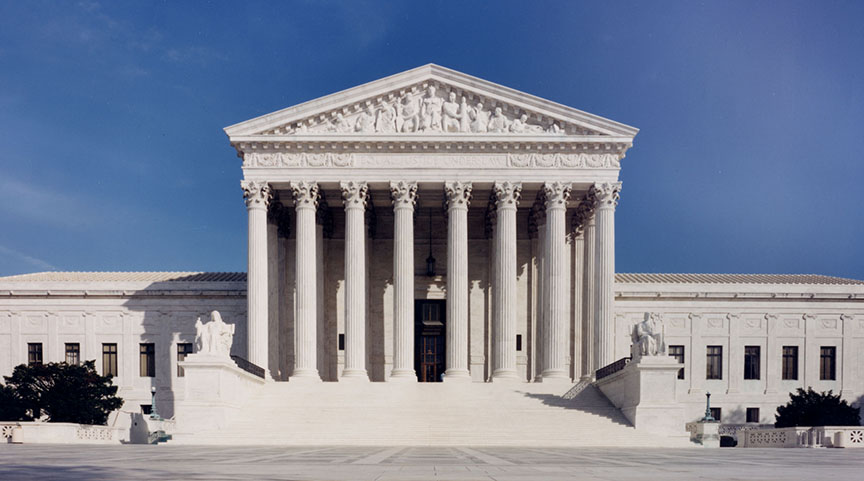
Image courtesy of the Official U.S. Supreme Court website
The Supreme Court held oral argument yesterday in Riley v. Biondi. Here is the oral argument transcript.
Issues Presented: (1) Whether 8 U.S.C. § 1252(b)(1)’s 30-day deadline is jurisdictional, or a claims-processing rule that can be waived or forfeited; and (2) whether a person can obtain review of the Board of Immigration Appeals’ decision in a withholding-only proceeding by filing a petition within 30 days of that decision.
In an unpublished per curiam memorandum, the Fourth Circuit began its opinion dismissing the appeal as appeals:
“Pierre Yassue Nashun Riley, a native and citizen of Jamaica, petitions for review of an order of the Board of Immigration Appeals . . . vacating the Immigration Judge’s . . . order granting Riley’s application for deferral of removal under the Convention Against Torture (`CAT’) and ordering Riley removed to Jamaica. Because we lack jurisdiction over Riley’s petition for review, we dismiss it.”
This is a relatively technical judicial review case and a decision should not have a big impact on many immigration cases.
As Amy Howe for SCOTUSBlog previously reported, the Court appointed a former clerk to Chief Justice John Roberts, Stephen Hammer, an associate in the Dallas office of Gibson Dunn, to defend the U.S. Court of Appeals for the Fourth Circuit ruling after the Biden administration declined to do so. Howe described the case as follows:
“Pierre Riley, a native of Jamaica who has lived in New York for nearly three decades, contends that he is likely to be killed if he is required to return to Jamaica. The Biden administration agree[d] with Riley that the court of appeals was wrong when it concluded that the 30-day deadline to file a petition to block deportation is jurisdictional – that is, that the court cannot review the petition if the deadline is missed.” (bold added).
Riley was facing removal on criminal grounds.
KJ